
Thomas Jefferson University PA Program: Elsa's Career-Change Acceptance Story
Thomas Jefferson University PA Program: Elsa's Career-Change Acceptance Story
By: Savanna Perry, PA-C
Elsa spent years in desk jobs after an Economics degree before finding the PA profession — by googling jobs for empathetic people. She completed her prerequisites at a 4.0 post-bacc, built 1,100 PCE hours as an ophthalmic technician, and applied to 13 programs at 29. She got 3 interviews, 2 waitlists, and an acceptance. Her most useful observation: she got no interviews at any program requiring 1,000 PCE hours.
Last Updated: August 2, 2026
Your Pre-PA Bestie Blog - everything you need to know to become a PA in one place.
Why PA?
After getting a degree in Economics I worked desk jobs for multiple years and grew to dislike the work environment and the work itself. I always wished I went down a different path and then one day I realized I should just go for it. I found PA after googling jobs for empathetic people, as goofy as that sounds!
How many programs did you apply to?
13
In our experience at The PA Platform, Elsa has produced the single most actionable data point in this entire series: she received zero interviews from programs requiring 1,000 PCE hours and only advanced at programs requiring 200 or 500. Published minimums are not soft suggestions — many programs screen on them automatically before a human reads your file. If your hours sit near a threshold, build your list around programs whose stated minimum you comfortably clear, and treat the rest as long shots rather than realistic options.
How many programs did you interview with and what were the outcomes?
3 interviews. 2 waitlists, 1 acceptance
Every Pre-PA Should Know...
Elsa found the PA profession by googling "jobs for empathetic people." Career changers often arrive by unglamorous routes, and it does not make the fit any less real.
****INSERT FREE LEAD MAGNET FORM OR HTML BLOCK AND DELETE TEXT BOX*****
Where will you be attending?
Thomas Jefferson University in Philadelphia
Anything you found interesting about interviews?
How varied they were. One was MMI (which I actually loved because you got to show yourself instead of just saying “I’m empathetic” over and over), one was an all day event, and then one was just two short interviews with two different people.
Were there any helpful resources (books, websites, webinars, etc) you used to get through prerequisites courses, the application or interview process?
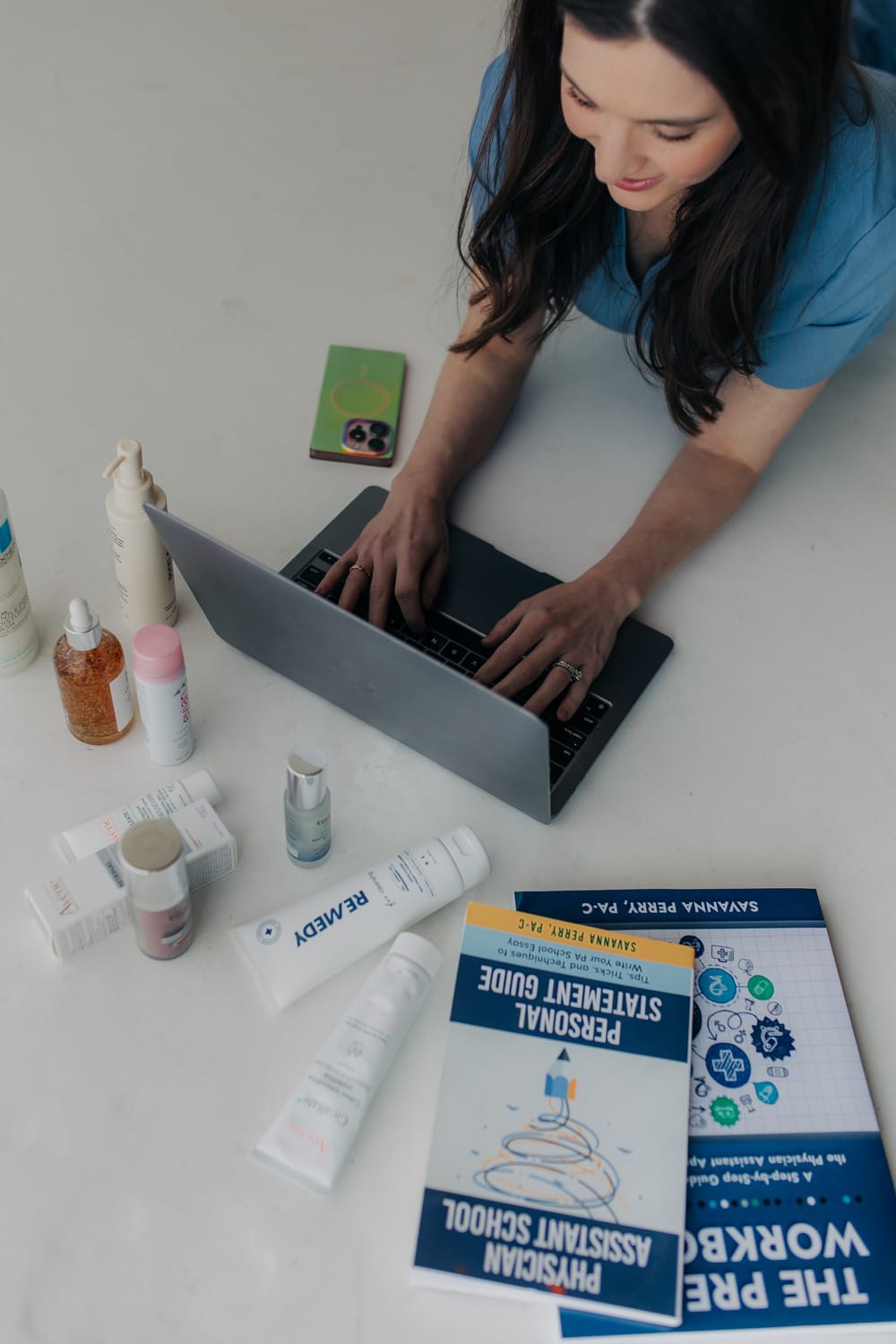
For school: “Organic chemistry as a second language” as a must. Savanna’s interview book was helpful. I wrote out lots of answers to questions I found to practice talking about myself and coming up with examples. Overall try and immerse yourself in the medical world: watch all the virtual shadowing you can find, read medical related books (my favorites: “Salt in my Soul”, “Between Two Kingdoms”, “Black Man in a White Coat”, “This is Going to Hurt”, “The Emperor of all Maladies”, “When Breath Becomes Air”, “Being Mortal”), listen to podcasts, etc!
Any advice for other pre-PA students?
Things I was happy I did: -Got my pre-reqs done and focused on getting As, then worked full time for PCE after (I was able to be my best at both without the stress from the other, I was happy I separated them). -Spent time reading medical related books, listening to podcasts, virtual shadowing. I feel like in PA school I’ve been able to go “hey I’ve heard that before” as well as growing myself to be more well-rounded. Things I would have done differently if applied again: -Took the GRE, had less schools I could apply too and more competition. -More volunteer, shadowing, and PCE hours. -Compared myself to others less, social media shows peoples highlights and may not always be the truth. Become a better applicant for yourself and for your future patients – not to tick off boxes or to be able to post on Instagram. Highlight what makes you unique. Also take your time, I see many young applicants stressing to get things done NOW that they are not soaking up experiences. Take time to learn about yourself and others and mature into an amazing future provider!
Where can we find you? (Instagram, TikTok, Website, etc)
Instagram: @elsabyrholdt. Feel free to DM me!
Need to Know:
Undergraduate education: Portland State University
Overall GPA: 3.80 (undergrad in Economics 3.73, post-bacc 4.0)
Science GPA: My post-baccalaureate GPA was 4.0 which included almost all of my pre-reqs as I had not really taken much science before. I cannot remember my overall science including undergrad but would have been a little lower with a couple Bs freshman year.
GRE: N/A
PA-CAT: Did not take
Total PCE hours: 1,100 at time of application Optometric/Ophthalmic Technician. No certification, was a medical assistant essentially for an eye clinic. Duties included: call back and room patient, ask and document HPI, input medications/allergies, measure visual acuity with eye chart, perform mini exam (are pupils regular, reactive?, eye movements ok? Etc), measure eye pressure using handheld device (after numbing eye drop of course), and insert dilation eye drops. Loved it, great experience working in a large clinic with lots of other techs and doctors but also developed one on one relationships with the doctors I worked for. I learned a lot about the eye and common disorders! Downside was no PAs worked there. Having a lower PCE was the main barrier to being accepted and just of note I didn’t get any interviews for any schools with a 1,000 PCE requirement and only got moved to next stage/interviews at schools with 200/500 PCE requirements.
Total HCE hours: 0
Shadowing hours: 40, shadowed an Oncology PA in person before COVID (was a friend of a friend) then online shadowing hours during COVID in a wide amount of fields.
Volunteer hours: 50. One of my weakest application points! Volunteered at food banks and checked people in for COVID vaccines
How many times did you apply?: 1
Age: 29
Gender: Female
FAQ
Frequently, yes. Elsa applied with 1,100 PCE hours and received no interviews at any program with a 1,000-hour requirement, advancing only at programs requiring 200 or 500. Treat published minimums as real screening thresholds.
Elsa was accepted with a 3.80 overall GPA, combining a 3.73 Economics undergraduate GPA with a 4.0 post-bacc. [VERIFY] Thomas Jefferson’s current published minimum GPA and most recent accepted class averages.
Yes. Elsa earned an Economics degree, worked desk jobs for years, then completed nearly all her science prerequisites in a post-bacc at a 4.0 and was accepted at 29. [VERIFY] each program’s prerequisite list and any recency requirements.
Elsa deliberately did not. She finished her prerequisites focused on earning As, then worked full time for PCE afterward, and says separating them let her do both well. It takes longer but reduces the risk of a weaker science GPA.
Elsa listed her GRE as N/A and did not take the PA-CAT. She notes in hindsight that skipping the GRE limited how many programs she could apply to. [VERIFY] each program’s current testing policy.
Email [email protected] or use the contact form at The PA Platform to share your acceptance story.
CLOSING
Elsa is unusually clear-eyed about her own application — she names her weak points, explains exactly which programs screened her out and why, and tells younger applicants to slow down. Take time to learn about yourself and others, she says, and mature into the provider you want to be. Hard advice to improve on.
***INSERT HTML SERVICE BLOCK CTA****
You May Also Like:
Accepted! Interviews: Real PA School Acceptance Stories
Changing Careers to Become a PA
What Counts as Patient Care Experience for PA School?
MMI Interview Practice Questions
The Pre-PA Newsletter
Real PA admissions updates, new free resources, this week's podcast, and the one thing to focus on this week of the cycle.
Your email address is safe with us .We never share your information with anyone