Webinar: Crafting Your Personal Statement for PA School Applications
Webinar: Crafting Your Personal Statement for PA School Applications
By: Savanna Perry, PA-C
This is the replay page for The PA Platform’s personal statement webinar, originally filmed March 26, 2017. The session walks through how to approach, structure, and revise a PA school personal statement, and the page collects the personal statement guide, free e-mail course and checklist, workshop, editing service, and companion blog post that go with it. Questions are welcome in the comments or on the YouTube video.
Last Updated: August 3, 2026
Your Pre-PA Bestie Blog - everything you need to know to become a PA in one place.
The original post
Welcome! This webinar was filmed on March 26, 2017, but the information is still relevant and helpful. If you’re watching this as a replay, feel free to comment with any questions here or on the YouTube video!
For more personal statement resources:
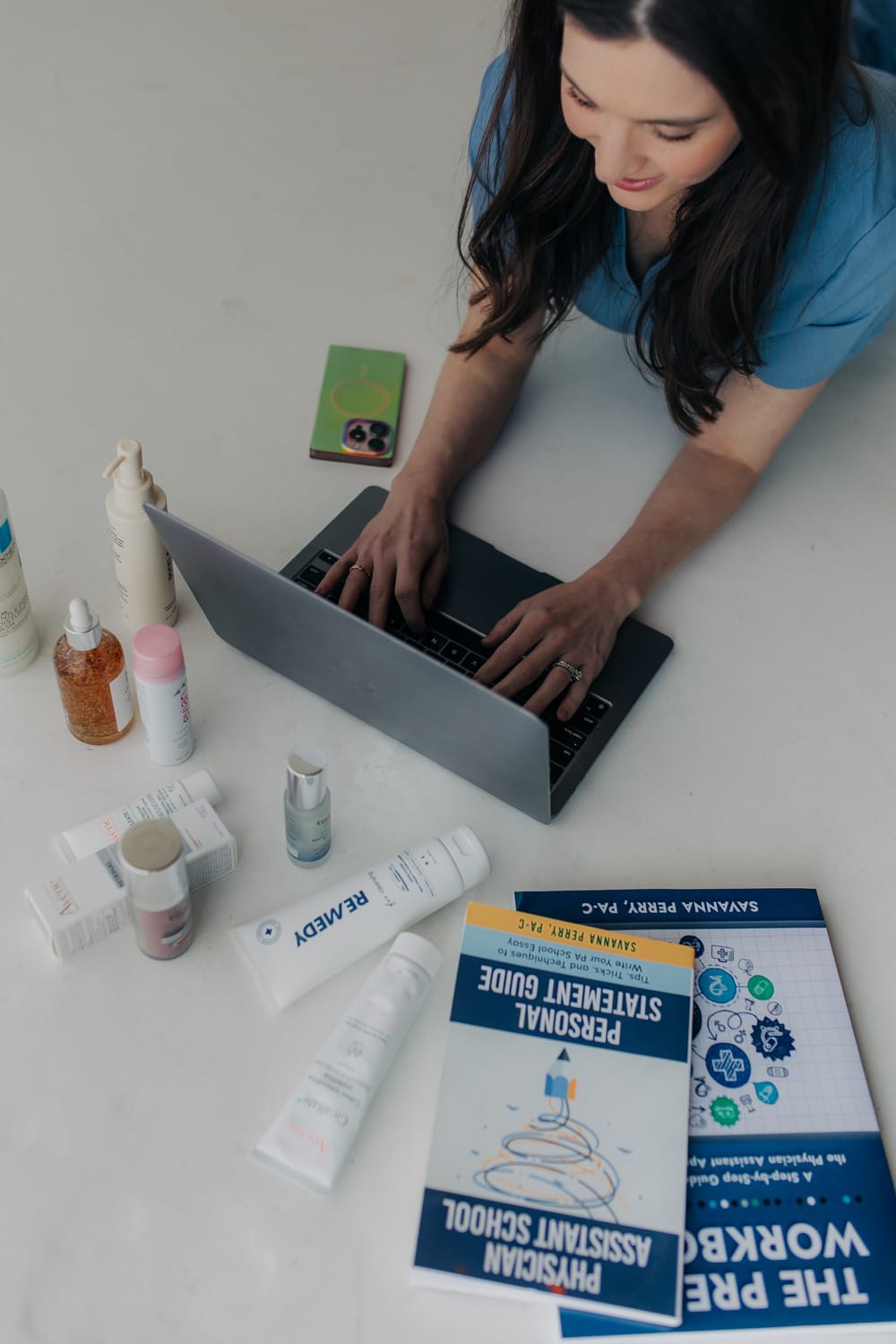
Physician Assistant School Personal Statement Guide
Free 2-week e-mail course and personal statement checklist
Personal Statement Workshop
Personal Statement Editing Service
PA School Personal Statement Blog Post
Need Help Editing? Click Here!
In our experience at The PA Platform, the personal statement is the part of the application where students waste the most time and get the least feedback. The most common mistake we see is an essay that explains why the applicant likes medicine rather than why they specifically want to be a PA — those are different questions, and admissions committees are reading for the second one. The second most common mistake is burying the strongest material. Applicants frequently open with a generic scene and then, in the third-to-last paragraph, mention the one experience that actually changed their trajectory. Move that up. We also consistently see essays that run right up against the character limit with background detail that duplicates the rest of CASPA; your grades, hours, and course list are already visible elsewhere, so the statement should be doing something the rest of the application cannot.
Every Pre-PA Should Know...
The CASPA personal statement limit is 5,000 characters including spaces, which works out to roughly 700 to 900 words depending on your writing. Write it in a separate document first, because the CASPA text box does not autosave reliably and formatting such as italics and special characters often does not transfer. [VERIFY] Confirm the current character limit and prompt wording on CASPA before you finalize.
****INSERT FREE LEAD MAGNET FORM OR HTML BLOCK AND DELETE TEXT BOX*****
Need to Know:
Format: Recorded webinar replay
Originally filmed: March 26, 2017
Topic: Writing the CASPA personal statement for PA school
Companion resources: Personal statement guide, free 2-week e-mail course and checklist, workshop, editing service, and blog post
Questions: Welcome in the comments or on the YouTube video
[VERIFY] Video embed did not carry over in migration and must be re-added
[VERIFY] All six resource links listed in the body are currently plain text and need to be re-linked
Listen: the full webinar
This topic started as a live webinar on The Pre-PA Club podcast. Press play for the full session, including the questions listeners asked at the time.
The focus of this episode is the intricacies of crafting an exemplary personal statement for your PA school application. I provide a comprehensive guide on what admissions committees expect from applicants, emphasizing the importance of showcasing your motivations for pursuing a career as a physician assistant. I encourage you to reflect on your personal journey and experiences that led you to this pivotal decision, as these elements will be crucial in establishing a genuine connection with the readers of your statement. Furthermore, I discuss the logistical aspects of submitting your personal statement through CASPA, including the character limit and formatting challenges that applicants often overlook.
In addition to the structural components of the personal statement, I highlight common pitfalls that candidates encounter, such as straying off-topic or failing to explicitly mention their aspirations to become a PA. I stress the necessity of addressing specific questions within your essay, such as your understanding of the PA profession, your relevant experiences, and how these elements contribute to your preparedness for the rigors of PA school. Throughout the episode, I provide actionable steps to help streamline your writing process, including brainstorming techniques and the importance of drafting and revising your essay multiple times.
Ultimately, the personal statement serves as a window into your character, values, and commitment to the PA profession. I encourage you to convey your story authentically and to reach out for feedback from practicing PAs or trusted individuals who can offer constructive criticism. By following the strategies outlined in this episode, you can enhance the quality of your personal statement and increase your chances of securing that coveted interview opportunity.
This episode delves into the essential components of writing a compelling personal statement for PA school applications, aimed specifically at guiding pre-PA students through the nuanced process. I begin by discussing the significance of the personal statement as a vital tool in the application process and how it represents your unique narrative to the admissions committee. I emphasize that this is your opportunity to articulate not only your passion for medicine but also your understanding of the role of a physician assistant.
To assist you in this endeavor, I outline a systematic approach to developing your personal statement. This involves a thorough brainstorming phase, where you should reflect on pivotal moments in your life that have shaped your desire to enter the PA field. I recommend avoiding generic statements and instead focusing on specific experiences that have influenced your journey. Additionally, I discuss the constraints of the CASPA application system, such as the absence of formatting options and the character limit, which necessitate concise and impactful writing.
As I guide you through the drafting process, I encourage you to embrace the iterative nature of writing. Start with a rough draft without worrying about perfection, then refine your message to ensure clarity and coherence. I also discuss the importance of seeking feedback from knowledgeable sources, particularly practicing PAs, to enhance the quality of your statement. The episode concludes with a reminder of the significance of presenting your authentic self in your personal statement, allowing your passion and dedication to shine through.
In this episode, I focus on the critical aspects of crafting a personal statement for PA school applications, providing pre-PA students with specific guidance to strengthen their submissions. I begin by underscoring the role of the personal statement as a reflection of your motivations and qualifications for the PA profession. I stress that this essay is your chance to narrate your journey, highlighting experiences that have ignited your passion for healthcare and the PA role.
Throughout the discussion, I offer a step-by-step framework for constructing a powerful personal statement. This includes brainstorming techniques to identify key experiences, drafting your narrative, and refining the content to ensure clarity and engagement. I emphasize the importance of addressing the specific prompts provided by CASPA and the necessity of staying focused on your motivations for becoming a PA. I also caution against common mistakes, such as failing to connect your experiences back to your aspirations or leaving out crucial details about what you understand the PA profession to entail.
Furthermore, I provide practical tips for editing your statement and the value of obtaining external feedback, particularly from individuals who have firsthand experience in the PA field. The episode serves as a comprehensive resource for pre-PA students, equipping you with the knowledge and strategies to create a personal statement that not only meets the requirements of your application but also authentically represents who you are as a candidate. By following the advice shared, you can enhance your chances of standing out in the competitive selection process for PA school.
What we cover
The personal statement is a crucial part of your PA school application, influencing whether you receive an interview.
When writing your personal statement, focus on your motivations for becoming a PA and include personal experiences.
Brainstorming is essential; take time to reflect on your journey to becoming a PA before you start writing.
Ensure your essay follows the CASPA formatting rules, as it lacks options for italics or bold text.
Editing is key; have others review your personal statement to ensure clarity and coherence.
Discuss your patient care experience in detail, highlighting what you learned and how it prepares you for PA school.
Chapters
0:00 – Introduction to Personal Statements for PA School
4:26 – Introduction to Personal Statements
10:23 – Starting Your Personal Statement: The Brainstorming Phase
21:54 – Addressing Discrepancies in Your Essay
30:56 – Preparing for the CASPA Application Process
Episode 45: Webinar Series - Crafting a Personal Statement for PA School · Follow The Pre-PA Club on Apple Podcasts or Spotify · Browse all episodes
FAQ
CASPA allows 5,000 characters including spaces, which is roughly 700 to 900 words. You do not need to use every character, but most competitive statements land fairly close to the limit because there is a lot of ground to cover. What matters more than length is whether every paragraph is earning its space. [VERIFY] Confirm the current CASPA character limit before submitting.
Write about what specifically pulled you toward the PA profession rather than nursing, medicine, or another path, and support it with concrete experiences you actually had. The strongest statements typically build around one or two specific patient interactions or turning points and then connect them to what you understand about the PA role today. Avoid trying to summarize your entire resume — the rest of CASPA already does that.
Start with something specific rather than something grand. A concrete moment — a particular patient, a particular shift, a particular realization — grounds the reader immediately. Openings that begin with a dictionary definition, a broad statement about the healthcare system, or a childhood memory of wanting to help people are extremely common and rarely distinguish an applicant.
Yes. Outside feedback is genuinely valuable because you cannot see the gaps in your own reasoning after the tenth read. Ideally get feedback from someone who understands the PA application specifically, not just someone who is a strong writer. The PA Platform offers a personal statement editing service and a workshop for this reason, and both are listed among the resources on this page.
You should not copy it wholesale. Supplemental essays usually ask a narrower question, such as why this specific program or how you handled a particular challenge, and reusing your main statement signals that you did not read the prompt. You can reuse the underlying experiences, but the framing and the takeaway should be rewritten for each prompt.
Email [email protected] or use the contact form at The PA Platform to ask about the personal statement guide, workshop, or editing service.
CLOSING
Your personal statement is the only place in the entire application where the committee hears your voice directly. Give it the time it deserves, start earlier than feels necessary, and get a second set of eyes on it before you submit.
***INSERT HTML SERVICE BLOCK CTA****
You May Also Like:
PA School Personal Statement Blog Post
Physician Assistant School Personal Statement Guide
Healthcare + Patient Care Experience for Physician Assistant School
How to Track Your Hours for CASPA
The Pre-PA Newsletter
Real PA admissions updates, new free resources, this week's podcast, and the one thing to focus on this week of the cycle.
Your email address is safe with us .We never share your information with anyone