
Low GPA to PA School: Lily's Bryant University Acceptance Story
Low GPA to PA School: Lily's Bryant University Acceptance Story
By: Savanna Perry, PA-C
Lily applied to PA school across three cycles — 18 programs total — and was accepted to Bryant University on the third attempt. Her science GPA was 2.95, which she calls abysmal, and her quantitative GRE was 148. Between Teach for America on Chicago's west side, years teaching high school science, and 2,560 PCE hours as a physical therapy aide, she built a profile no other candidate could match. She also took medical assistant job interviews she had no interest in, purely as interview practice.
Last Updated: August 2, 2026
Your Pre-PA Bestie Blog - everything you need to know to become a PA in one place.
How many programs did you interview with and what were the outcomes?
2, 1 left me on the waitlist, and the other I was accepted after.
Where will you be attending?
Bryant University (Smithfield, RI)
In our experience at The PA Platform, taking real job interviews purely as practice is one of the most creative preparation tactics we've come across, and it addresses the actual problem: most applicants have never been interviewed for anything high-stakes. Repeated exposure is what reduces nerves, and mock interviews with friends only go so far. Lily's other strength is framing. She didn't minimize a 2.95 science GPA; she used it as the starting point of a growth narrative and then pivoted hard to what made her unique — years of teaching science in an under-resourced school district. That combination of accountability plus differentiation is what committees respond to.
Any red flags on your application?
Low (low, low) science GPA and quantitative GRE score
Every Pre-PA Should Know...
Lily applied across three cycles and received only two interviews total — one waitlist and one acceptance. She was 27, a Teach for America alumna, and had 15 shadowing hours. [VERIFY] Confirm Bryant University's current PA program prerequisites and minimums.
****INSERT FREE LEAD MAGNET FORM OR HTML BLOCK AND DELETE TEXT BOX*****
Anything you found surprising about interviews?
Honestly, I was surprised at how friendly and kind all of the other interviewing candidates were. Despite being direct competitors, all nervously corralled into rooms waiting to make our best possible impressions, at both interviews I attended I met really interesting, fabulous people. This was a refreshing surprise and made the days far more pleasant than I was expecting.
Were there any helpful resources (books, websites, apps) you used to get through prerequisite courses, the application or interview process?
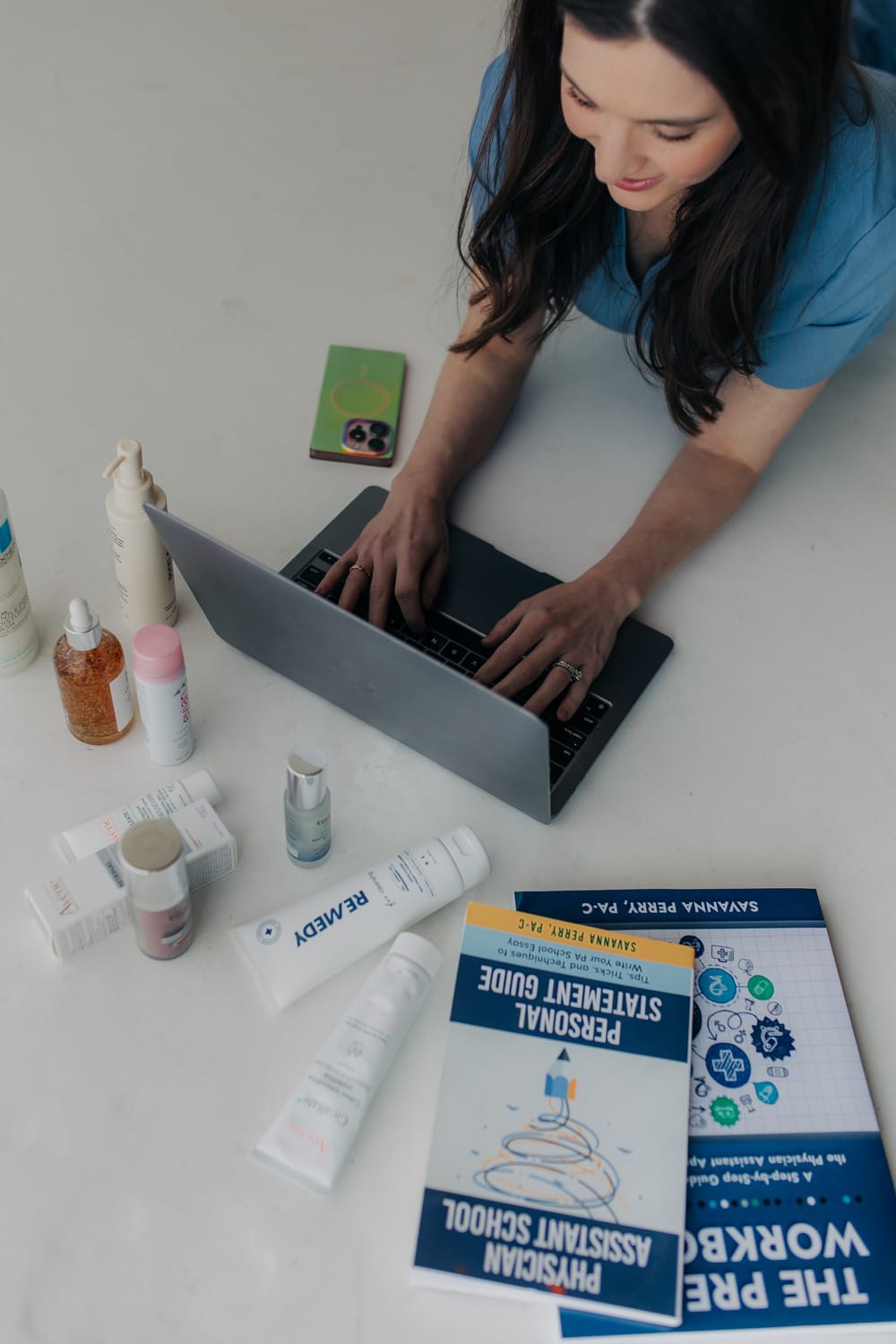
I read Savanna’s Physician Assistant School Interview Guide cover to cover, completed mock interviews with the PA Life, and listened to the Pre-PA Club podcast on my way to work. I also did something a little unorthodox. I was unsure if I’d get accepted at a school that started in January, June, or September, or simply be rejected all over again so I started applying for jobs. I landed several interviews for positions as a medical assistant and a medical scribe. And even though it was clear to me that I was not interested in working at some of these places, I took the interviews anyways. I was determined to be comfortable with the uncomfortable, so forcing myself into interviewing regularly helped me to practice my answers to common questions and be less nervous in this setting.
Any other advice for other pre-PA students?
“Never, ever, ever, ever give up.” Seriously, look at my science GPA. It is abysmal. But I have experiences and skills that are unique and unlike many other candidates’. This is something I made a point of emphasizing at every possible opportunity during my interviews. I used the shortcomings of my past to paint a picture of growth and newfound drive, as well as sharing what positives about my background could be useful tools as a PA student and as a provider.
This is the best advice I can give to pre-PA students. Whether you have glaring red-flags academically as I do, or a low number of patient care hours, etc. Don’t ignore it, address it and show the interviewers how it has shaped you positively. Moreso than that, it is very important to impress upon your interviewers what other assets you have to offer the program and the profession, despite these weaknesses. What specifically sets you apart from the next PA- hopeful who walks into their office? Why should they overlook the flaws on your application and dial your number when making acceptance calls? That is where your focus needs to be when preparing for interviews battle. Good luck!
Where can we find you?
@lilyboyle
Need to Know:
Undergraduate education: Northeastern University (Boston, MA)
Overall GPA: 3.34
Science GPA: 2.95
GRE: 309 – V 157, Q 148, W 4.0
Total PCE hours: 2,560 – working as a physical therapy aide in college
Shadowing hours: 15 – shadowing 3 local PA’s briefly during breaks from school
Other volunteer hours: Teach for America corps member on Chicago’s west side 2014-16, which adds up to about 1,600 hours. I then continued teaching HS science as a TFA alumnus until the end of the 2018 school year.
LORs: Physical therapist (former employer), Physical therapist/Athletic trainer (mentor), and School Principal (current employer)
How many times did you apply?: 3
Age: 27
Gender: Female
How many programs did you apply to? 18 total, first cycle: 4, second cycle: 7, third cycle: 7
FAQ
Yes. Lily was accepted to Bryant University with exactly that, on her third application cycle. She offset it with 2,560 PCE hours, an unusual professional background in education, and an interview strategy focused on addressing the weakness head-on and then redirecting to her strengths.
Lily was accepted with a 3.34 overall GPA and a 2.95 science GPA. [VERIFY] Confirm Bryant's current published minimum GPA requirements directly with the program.
There's no limit. Lily applied three times across 18 total programs — four, then seven, then seven — before being accepted. Each cycle is a chance to add experience and improve how you present your story.
Lily's approach was unusually effective: she applied for medical assistant and scribe jobs she didn't want, purely to get repeated real interview experience. She also read an interview guide cover to cover, completed formal mock interviews, and listened to pre-PA podcasts during her commute.
Don't ignore it. Lily's advice is to name the weakness, explain how it shaped you positively, and then spend most of your energy on what sets you apart from every other applicant. Give the committee a concrete reason to overlook the flaw.
Email [email protected] or use the contact form at The PA Platform to share your acceptance story.
CLOSING
Lily's science GPA was the weakest of any story on this site, and she got in. Three cycles, 18 applications, two interviews, one acceptance. Her question is the right one to sit with before your own interview: why should they overlook the flaws on your application and dial your number?
***INSERT HTML SERVICE BLOCK CTA****
You May Also Like:
Accepted: Sarah - MCPHS in Boston Future PA
How to Explain a Low GPA in Your PA School Interview
Reapplying to PA School: What to Change Before the Next Cycle
Mock Interview Prep for PA School
The Pre-PA Newsletter
Real PA admissions updates, new free resources, this week's podcast, and the one thing to focus on this week of the cycle.
Your email address is safe with us .We never share your information with anyone