
Kettering College PA Program: Katelyn's 3-for-3 Acceptance Story at 21
Kettering College PA Program: Katelyn's 3-for-3 Acceptance Story at 21
By: Savanna Perry, PA-C
Katelyn applied once to 10 programs at age 21 and received 7 interview offers. She attended only 3 and was accepted to every one of them. Her 1600 PCE hours came entirely from scribing in the emergency department, and she credits mentors — two older pre-PA students and a practicing PA — with much of her success.
Last Updated: August 2, 2026
Your Pre-PA Bestie Blog - everything you need to know to become a PA in one place.
Why PA?
As a senior in high school, I knew I wanted to pursue a career in medicine due to watching TLC’s a baby story and Discovery health channels Surgery saved my lie however I was unsure what. Our high school gave us the opportunity to spend half the school day at an internship of our choice and own arrangement. So, I decided to do an internship at a pain management/sports medicine facility. I was with a doctor from 8-12 every day and he had 2 PA’s. This is where I was introduced to the PA profession. I met one who had previously practiced in the ER and another who also currently practiced at an urgent care. I was intrigued by the lateral flexibility being a PA provided but also their level of autonomy. I was able to shadow them and see the teamwork between the PA and their supervising physician and the support the PA provided to the patient workload, but I also watched them independently manage their own patients from the initial consultation to reviewing images, changing treatment courses and medications and even perform trigger point injections. As a scribe, my decision to be a PA was further solidified as I worked alongside PA’s who were able to independently manage and treat their own patients but also collaborate with a physician on duty. I witnessed this PA/provider relationship when I had the privilege of observing a CABG in July where the PA was the first assist. While the PA harvested the vein, the doctor prepared the chest and once they were both done and the patient was on bypass, they collectively performed the surgery. These benefits of being a PA and being a valuable part of the patient care team are why I want to be a PA.
How many programs did you apply to?
10
In our experience at The PA Platform, Katelyn’s framing of essay feedback is the healthiest we have seen an applicant articulate. Gather many perspectives, then decide which ones serve your story. Several applicants in this series describe drowning in conflicting edits and losing their own voice. The difference is not how many readers you have — it is remembering that you are the one making the final call.
How many programs did you interview with and what were the outcomes?
I had seven interview offers. I interviewed with three programs and was accepted to all three programs.
Every Pre-PA Should Know...
Katelyn declined four of her seven interview offers. Once you hold acceptances you are happy with, releasing interview slots frees them for applicants still waiting.
****INSERT FREE LEAD MAGNET FORM OR HTML BLOCK AND DELETE TEXT BOX*****
Where will you be attending?
I will be Kettering College MPAS
Anything you found interesting about interviews?
I was surprised how incredibly welcoming and inviting each programs staff was. I never felt intimidated but instead professors were excited to get to know me as a potential candidate and seem incredibly interested in what I brought as a candidate. It made the interview process so much less stressful which allowed me to perform better during my interviews.
Were there any helpful resources (books, websites, webinars, etc) you used to get through prerequisites courses, the application or interview process?
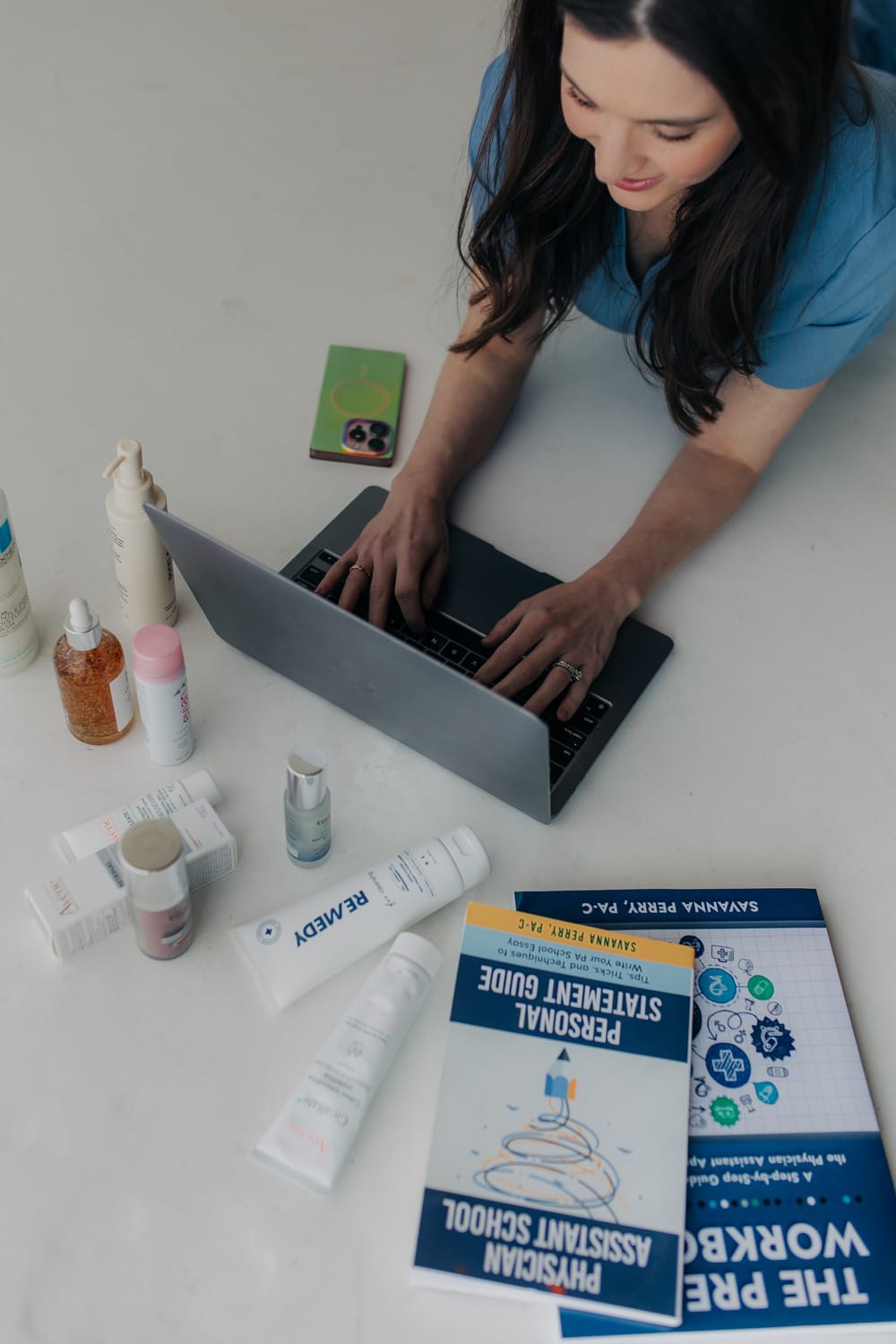
The most helpful resource was the physician assistant school interview guide by Savannah Perry. The most helpful personal resource was connections. I had two girls who were older than me who were also pre-PA and their guidance was huge to my success. I also had a PA mentor whose wisdom, advice, and willingness to help also made all the difference in my journey. I always had someone I was able to reach out to for help whether it was academic, where to volunteer, where to gain PCE, etc.
Any advice for other pre-PA students?
My biggest advice for other pre-PA’s is to find mentors. Find people you trust, especially another pre-PA and a PA. Networking is huge when it comes to shadowing other PA’s and letters of recommendation. Another thing I found helpful was having numerous people read my essays; getting various perspectives from people in the medical field and other people not was very helpful and made my essays so much better. You do not have to take everyones advice but different perspectives should be considered.
Where can we find you? (Instagram, TikTok, Website, etc)
Instagram: katie__suee__
Need to Know:
Undergraduate education: I completed my undergraduate education at Ball State University
Overall GPA: 3.888
Science GPA: 3.80
GRE: 301
PA-CAT: Did not take
Total PCE hours: I had about 1600 PCE hours total. I gained my experience as a scribe in the emergency department
Total HCE hours: I did not have any additional healthcare hours outside of scribing.
Shadowing hours: I shadowed about 50 hours once COVID allowed students to shadow again. I shadowed in CT surgery where I saw a CABG, in an ER that was not my home ER, hospitalist service, spine and pain management, and IR.
Volunteer hours: I volunteered 120 hours. I mainly volunteered at my local second harvest food bank but also at IRONMAN and with the local special needs organization. I have a special need cousin who is the reason I become involved and had the passion for volunteering at their events such as their yearly prom and trunk or treats.
How many times did you apply?: 1
Age: 21
Gender: Female
FAQ
Katelyn was accepted with a 3.888 overall GPA and a 3.80 science GPA. [VERIFY] Kettering College’s current published minimum GPA and most recent accepted class averages.
Katelyn submitted a 301 and did not take the PA-CAT. [VERIFY] whether the GRE is currently required, optional, or not accepted at Kettering College.
Programs differ significantly, and many classify scribing as HCE rather than direct patient care. Katelyn logged all 1600 of her hours as an emergency department scribe and reported no other healthcare hours. [VERIFY] how each program categorizes scribe work.
Katelyn built her network through her scribe job, an internship, and connections with pre-PA students slightly ahead of her. Her advice is to find both a peer mentor and a practicing PA, since networking drives shadowing opportunities and letters of recommendation.
Katelyn recommends several, from both inside and outside medicine, while noting you do not have to take everyone’s advice. Multiple perspectives help, but the final voice should remain yours.
Email [email protected] or use the contact form at The PA Platform to share your acceptance story.
CLOSING
Seven offers, three interviews, three acceptances, all at 21. Katelyn credits mentors more than stats, and the way she describes watching a PA first-assist a CABG explains why her "why PA" landed with every committee that heard it.
***INSERT HTML SERVICE BLOCK CTA****
You May Also Like:
Accepted! Interviews: Real PA School Acceptance Stories
How to Find a Pre-PA Mentor
PCE vs HCE: What Counts for PA School?
How to Write a PA School Personal Statement
The Pre-PA Newsletter
Real PA admissions updates, new free resources, this week's podcast, and the one thing to focus on this week of the cycle.
Your email address is safe with us .We never share your information with anyone