
Franklin College PA Program: Mallori's Acceptance Story
Franklin College PA Program: Mallori's Acceptance Story
By: Savanna Perry, PA-C
Mallori applied to 10 PA programs, was offered five interviews, attended three, and was accepted at all three — heading to Franklin College. Her GRE was below 300 and her direct patient care hours were around 500, so she built her school list specifically around programs that didn't require the GRE or set high PCE minimums. She brought roughly 2,500 hours each of teaching and leadership experience.
Last Updated: August 2, 2026
Your Pre-PA Bestie Blog - everything you need to know to become a PA in one place.
How many programs did you interview with and what were the outcomes?
I was offered 5 interviews. I was denied from 1 program, an interview alternate at 1 program and have yet to hear from the other 3 programs. I attended 3 of the interviews, denied interview offers from the other 2 programs and I received acceptances from all 3 of the programs I interviewed with.
Any red flags on your application?
I had a non-competitive GRE score, low amount of direct patient care hours and two-course withdrawals on my transcript. When applying with my lower GRE score I looked at programs that didn’t require the GRE, did not focus or mention a specific GRE score they were looking for applicants to obtain. Also, with my low amount of PCE hours, I looked at programs that didn’t require a certain amount of hours or required the number of hours where I met the minimum.
In our experience at The PA Platform, Mallori's school list strategy is the single most transferable thing in this post. She had two identifiable weaknesses — a sub-300 GRE and about 500 PCE hours — and instead of applying broadly and hoping, she filtered for programs that either didn't require the GRE or didn't emphasize a target score, and programs whose PCE minimum she actually met. Three interviews, three acceptances. That hit rate is what happens when your application matches the screening criteria. Her enormous teaching and leadership totals also gave committees a distinctive profile rather than a generic one.
Anything you found surprising about interviews?
Every interview I attended was completely different! The interview styles I experienced included traditional, situational/ethical and MMI. It was a great opportunity to see how each program used their own unique interview techniques for picking their future students from a variety of diverse applicants. Additionally, I was shocked at how friendly and sociable fellow interviewees were! Interviews are a stressful time yet everyone was talkative and wanted to get to know you. I actually made quite a few friends throughout my interviews and even saw some of the same people at multiple interviews! Overall, I had a wonderful experience with my interview process and just know everyone there wants to see you do well and succeed!
Every Pre-PA Should Know...
Mallori was accepted at every program she interviewed with, and declined two additional interview offers. She founded her college's HOSA chapter and logged roughly 2,500 hours of teaching experience. [VERIFY] Confirm Franklin College's current PCE and GRE requirements.
****INSERT FREE LEAD MAGNET FORM OR HTML BLOCK AND DELETE TEXT BOX*****
Were there any helpful resources (books, websites, apps) you used to get through prerequisite courses, the application or interview process?
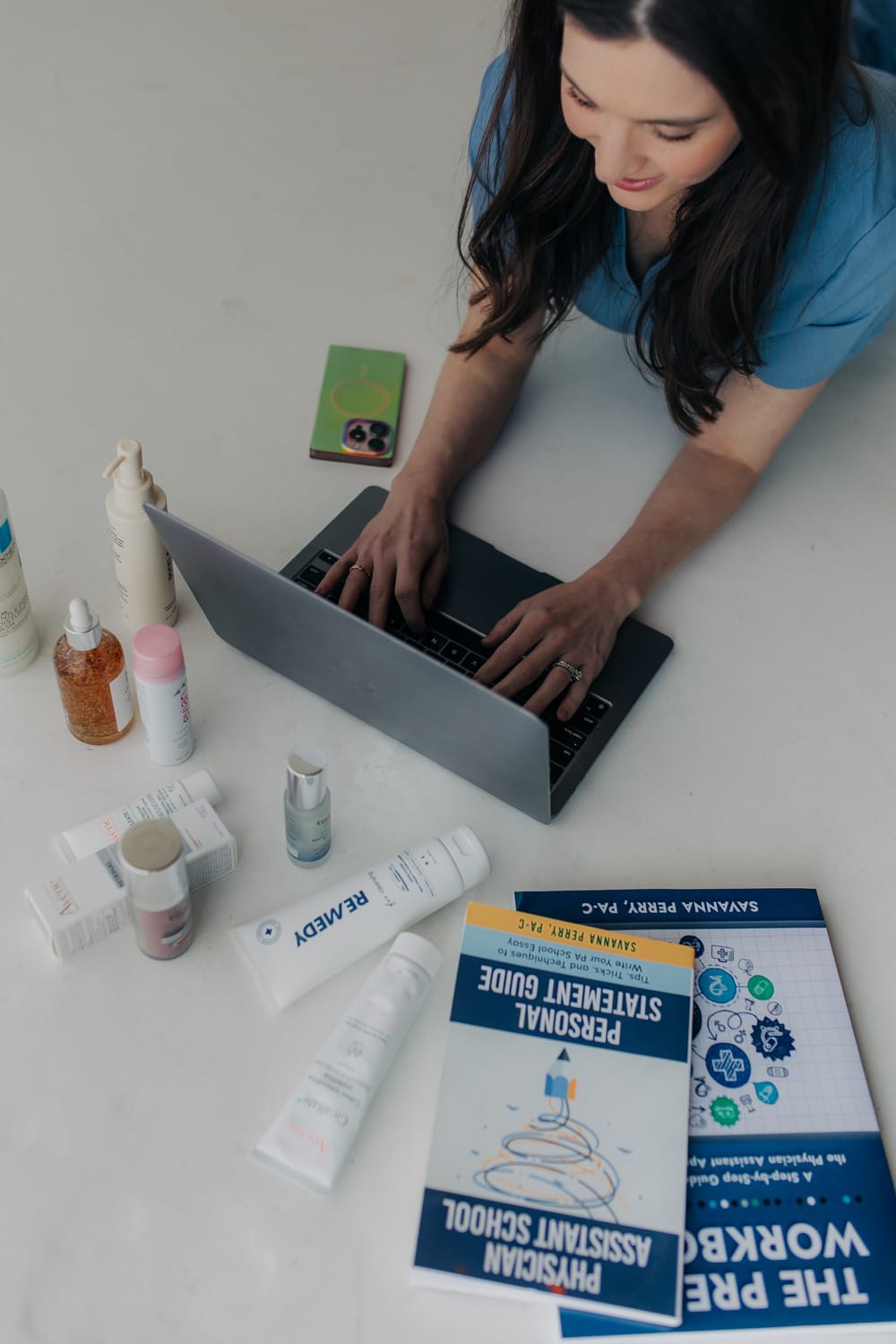
I used a variety of resources from a plethora of social media platforms including Facebook, Instagram, Youtube, Podcasts and various websites. I highly recommended joining the Pre-PA club facebook page/group to meet fellow Pre-PA students from around nation. I followed various PA-S/PA-C on Instagram who talk about their experiences, how to prepare for the PA school application process and write very helpful blog posts. I listened to The Pre-PA club podcast by Savanna Perry, I watched Adanna the PA videos on YouTube and visited ThePAPlatform.com which all helped me get more exposure to information regarding Pre-PA FAQs. To make sure I had a great personal statement I utilized editing. Then, once I started receiving interviews I ordered the Physician Assistant School Interview Guide book by Savanna Perry. By using these resources it allowed me to have a diverse outlook on what are the beneficial ways to be the most competitive applicant you can be!
Any other advice for other pre-PA students?
Start as early as possible! This can be through getting PCE hours, shadowing, taking to GRE and completing prerequisites. As you know this application process for PA school is very competitive so the more you can stand out, the better! I also would recommend trying to become a well-rounded applicant and not just focusing all your energy on one aspect like PCE hours. Also, PA-S’s and PA-C’s are all so willing to help and want to see Pre-PA’s succeed! This is because they were in your shoes and understand what you are going through. With this being said don’t be afraid to ask them for help or questions. Lastly, just believe in yourself and know your hard work will pay off!
Where can we find you?
Instagram: @m_wisuri
Need to Know:
Undergraduate education: Ball State University
Overall GPA: 3.89
Science GPA: 3.84
GRE: Below 300 (Not competitive)
PCE: ~500 (Patient Care Assistant)
HCE: ~400 (Hospice volunteer, Medical brigade volunteer, Hospital volunteer)
Shadowing: ~80 (Family Medicine, Orthopedics, Dermatology, Oncology)
Teaching: ~2,500 (Graduate Assistant, Biology Supplemental Instructor, Anatomy Study room assistant)
Non-healthcare volunteer: ~100 (Camp Counselor, Habitat for Humanity volunteer)
Leadership experience: ~2,500 (Hall Council President, HOSA Future Health Professionals collegiate chapter Founder/President, Leadership ambassador, Camp Kesem officer team member)
Research: ~400 (Cancer)
Extracurricular: Workout classes, boxing club and a member of various campus organizations
LORs: MD, PA, Biology/Microbiology professor, Pre-health professions advisor
How many times did you apply?: 1
Age when applied: 24
Gender: Female
How many programs did you apply to? 10 programs
FAQ
Yes. Mallori scored below 300 and was accepted at all three programs she interviewed with. Her approach was to apply only to schools that either didn't require the GRE or didn't publicize a target score, which kept the weak score from being a screening factor.
Mallori was accepted with a 3.89 overall GPA and a 3.84 science GPA. [VERIFY] Confirm Franklin College's current published minimum GPA requirements directly with the program.
Filter deliberately. Mallori identified her weak spots — GRE and PCE hours — then built her list around programs that didn't require the GRE and whose PCE minimums she met. Matching your profile to each program's stated screening criteria is far more effective than applying broadly.
Mallori had two withdrawals on her transcript and still received five interview offers and three acceptances. Isolated withdrawals are usually a minor concern, especially alongside a strong overall GPA. Be ready to explain them briefly if asked.
Mallori experienced three distinct formats across her interviews: traditional one-on-one, situational and ethical question-based, and MMI. Each program designs its own process, so ask what format to expect and prepare for the specific style.
Email [email protected] or use the contact form at The PA Platform to share your acceptance story.
CLOSING
Mallori went three for three at her interviews because she stopped treating her application as something to apologize for and started treating her school list as a filtering problem. Know your weak spots, then find the programs that don't screen on them.
***INSERT HTML SERVICE BLOCK CTA****
You May Also Like:
Accepted: Katherine - Dominican University of California Future PA
How to Build Your PA School List
Applying to PA School Without the GRE
MMI Interviews: What to Expect
The Pre-PA Newsletter
Real PA admissions updates, new free resources, this week's podcast, and the one thing to focus on this week of the cycle.
Your email address is safe with us .We never share your information with anyone