How to Prepare for PA School in Undergrad
How to Prepare for PA School in Undergrad
By: Savanna Perry, PA-C
Preparing for PA school in undergrad is about steadily building the pieces of a strong application rather than cramming at the end. Focus on completing prerequisites, keeping your GPA competitive, accumulating shadowing and hands-on healthcare experience, and cultivating relationships for strong letters of recommendation.
Last Updated: June 12, 2026
Your Pre-PA Bestie Blog - everything you need to know to become a PA in one place.
What academics do you need: prerequisites, GPA, and GRE?
You do not have to be a biology or chemistry major to apply to PA school. Plenty of applicants major in exercise science, health and human performance, or even history. If you are a non science major, just make sure you complete all the prerequisites required by the programs you are targeting, which takes planning your advisor can help with.
On GPA and GRE, programs get more competitive every year, and minimum required scores keep rising. Remember that the minimum required scores and the average scores of accepted students are two different things. You want your numbers in the same range as the accepted averages or higher [VERIFY]. A GPA below the accepted average does not automatically rule you out, but matching or exceeding it makes you a noticeably stronger applicant.
How do you build experience: shadowing, volunteering, and healthcare hours?
Most programs require a minimum amount of PA shadowing before you apply. Shadowing at least two PAs in different specialties gives you a broader look at the field and confirms your interest, and starting a few years early during summer breaks makes accumulating hours much easier.
Volunteering can count toward healthcare experience at some programs, so call and ask what each program requires. Not all volunteering needs to be clinical. Non clinical service shows what else you are passionate about. Hands on healthcare experience expectations vary widely. Some programs consider you competitive with 200-300 hours, while others require 1,000-1,500 or more, often because they cater to second career applicants. Do not let high numbers intimidate you, because there are plenty of programs with more modest requirements.
This is a guest post from Aashna, a soon to be PA student who documented her journey on her blog. In our coaching we echo her core message constantly: start early and build each piece deliberately, because the strongest applications are the ones assembled steadily over time rather than rushed in a single panicked semester.
What else strengthens your application: research and letters?
Research is not usually required, but it can boost your chances of earning an interview invitation, and being published in a scientific journal helps even more. If you cannot fit research into the school year, look into summer research at your university or summer internships for undergrads in your area.
Letters of recommendation are another piece to start early. Many students do not think about building strong professional relationships with advisors, professors, or the providers they shadow until it is time to apply. The people who genuinely know your strengths can write a far more personal and compelling letter than someone who barely knows you. And remember, every applicant has a different background, gap years included, and that is completely okay. As long as you are passionate and willing to work hard, you can get there.
Every Pre-PA Should Know...
Healthcare experience requirements range widely, from around 200-300 hours at some programs to 1,000-1,500 or more at others [VERIFY], so always check each program's specifics before assuming you fall short.
Free Application Timeline → https://www.thepaplatform.com/services/free-application-timeline/
Need to Know:
You can major in anything as long as you finish the required prerequisites
Aim for GPA and GRE at or above the accepted student averages
Shadow at least two PAs in different specialties, starting early
Healthcare experience requirements vary widely by program
Research and publications can strengthen an application but are rarely required
Build relationships early for strong, personal letters of recommendation
FAQ
No. You can major in anything as long as you complete the prerequisite courses required by the programs you are applying to.
Very important and increasingly competitive. Aim for scores at or above the accepted student averages rather than just the stated minimums to be a strong applicant.
Most programs require some PA shadowing. Shadowing at least two PAs in different specialties is a good target, and starting early during summers helps you accumulate hours.
It varies a lot. Some programs consider 200-300 hours competitive, while others require 1,000-1,500 or more, so check each program's requirements.
Usually not, but it can help your application stand out and improve your chances of an interview, especially if you are published.
Start building relationships early. The people who know your strengths well can write stronger, more personal letters than someone who barely knows you.
CLOSING
Preparing for PA school in undergrad comes down to steady, intentional effort across academics, experience, and relationships, not last minute scrambling. Start early, plan ahead, and remember that gap years and unconventional paths are perfectly fine. If you want a personalized roadmap for your pre-PA years, we would love to help you build it.
Pre-PA Counseling → https://www.thepaplatform.com/services/pre-pa-counseling/
You May Also Like:
So Why Do You Want to Be a PA?
Preparing for Interviews for PA School
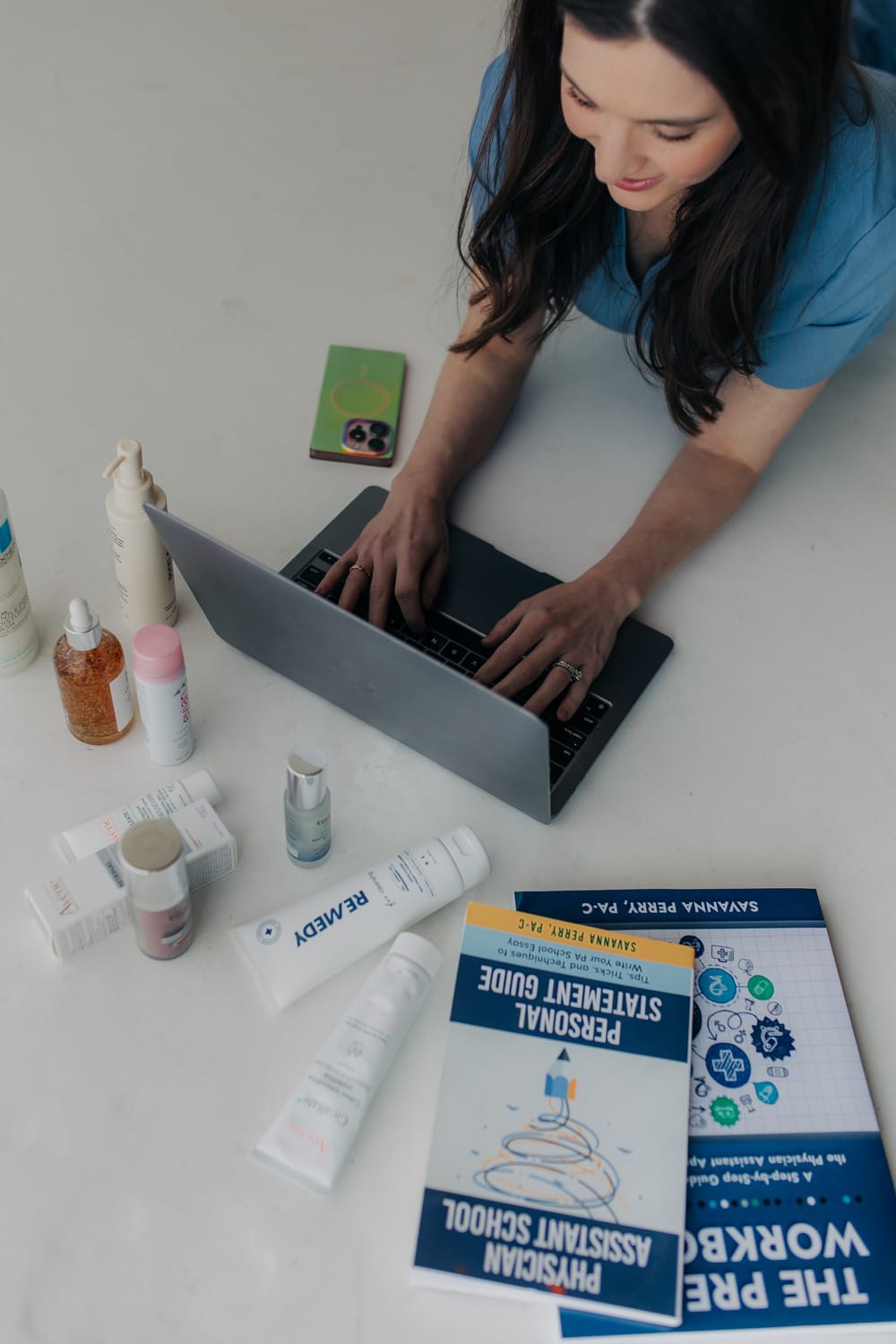
PA School Personal Statement Guide
Free Application Timeline
The Pre-PA Newsletter
Real PA admissions updates, new free resources, this week's podcast, and the one thing to focus on this week of the cycle.
Your email address is safe with us .We never share your information with anyone