Getting Into PA School as a Humanities Major
Getting Into PA School as a Humanities Major
By: Savanna Perry, PA-C
You can absolutely get into PA school as a humanities major. A non-science background gives you standout strengths like critical thinking, strong writing, communication, and a deep respect for diverse people. The key is to complete your prerequisites well and frame your unique experiences as assets in your personal statement and interviews.
Last Updated: Today's Datee
Your Pre-PA Bestie Blog - everything you need to know to become a PA in one place.
Can you get into PA school with a humanities degree?
Yes, and I am living proof. A few months ago I got the phone call I had been hoping for: a program director inviting me to join the incoming class. I had done it. I had gotten into PA school.
During the application process I met people from every background, from new grads to a career-changing real estate agent to an MD from another country. But I never met someone with my exact background in the humanities. The humanities is the academic term for non-science, technology, engineering, and math studies. It includes English literature, philosophy, art history, film studies, and, in my case, foreign languages. I fell in love with French in eighth grade, added Spanish in high school, earned a Bachelor of Arts, and taught French and Spanish for seven years while finishing a master's degree.
When I started my CASPA application, I worried. The other applicants were respiratory therapists, EMTs, and biology majors with years of medical assisting. I honestly thought I would not choose myself. Then it clicked: I had already succeeded academically at the master's level, and as a teacher I had cared for students of every type and need. My background was different, but it gave me strengths other applicants did not have.
Why does standing out help humanities applicants?
When I taught school, I had 200+ students at a time, and I could not remember every single name and story even though I wanted to. But there were always students who stuck out, and not always the ones you would expect. Yes, the high-scoring overachiever stood out, but so did the goofball who made me laugh and even the troublemaker. What they had in common was that they were distinctive.
If you look at the stats pages for PA programs, you will see it is normal for a school to get 1,000+ applicants for maybe fifty spots. Faculty simply cannot keep every applicant straight in their minds. That is why being memorable is a real advantage. Being the one Spanish teaching major in a sea of biology degrees does exactly that, and your humanities degree can do the same for you. Rather than feeling intimidated by more traditional majors, be proud of the background that makes you different.
Carrie wrote this guest post about her own path from teaching to PA school. In our coaching at The PA Platform, we see non-traditional applicants underestimate themselves constantly, just like Carrie did at first. The applicants who get in are the ones who stop apologizing for a different background and instead build their personal statement and interview answers around the exact strengths it gave them.
How does a humanities background help in PA school?
Critical thinking is the first big strength. When I started my biology prerequisite, I studied the way I always had, by looking for patterns and themes, and I scored just above failing on the first exam. I quickly realized I also needed to memorize details like the steps of the Krebs cycle, so I leaned into flashcards. After that adjustment I earned an A or A- in every other prerequisite. The lesson: you may need a new study method, but you are completely capable of building one. My humanities education trained me to assemble information, find patterns, and draw conclusions, and the better clinician is often the one who can analyze facts and connect the dots, not just recite them.
Writing is the second strength. So much of my time as a humanities student was spent writing, from personal narratives to detailed literary analysis. On The PA Platform, Savanna often says your personal statement gets you your interview, and your interview gets you accepted. As a humanities major you have excellent preparation to write a solid personal statement, and it helps later when you are writing clear patient notes too.
Communication is the third. Years ago a doctor glanced at some spots on my legs from across the room and said they would resolve. A dermatologist later examined them carefully and explained his thinking and each test. The issue resolved either way, but I left one appointment anxious and the other reassured. The difference was communication, and the humanities trains you to read, write, and get your message across.
Every Pre-PA Should Know...
PA programs commonly receive 1,000+ applicants for around fifty seats, so being memorable is a genuine advantage, and a non-traditional major can make you stand out.
How do I show my strengths in the application?
Studying the humanities also means you have studied the human experience. Literature, music, and art are about capturing what it means to be human, and when you study them deeply you learn to respect that other people's experiences are often very different from your own. In my interviews I talked about how teaching meant caring for anyone who came to me, the same way being a PA means caring for people of different backgrounds and socioeconomic levels. That respect is exactly what your degree has been preparing you to give.
Here is my practical advice for making the most of your background:
Be proud of your background instead of intimidated by traditional majors. It helps you stand out.
- Identify the specific skills your humanities studies gave you, like critical thinking, communication, and respect for cultural differences.
- Write down each of those skills and pair it with a concrete personal experience that illustrates it.
- Write your personal statement and practice for interviews to highlight these traits, and show, don't tell. A real story goes much farther than a list of nice-sounding words.
- Understand that different programs want different students. A program's requirements are a clue. I did not get into the program that wanted the most patient care hours, but I did get into programs that valued Spanish and serving underserved populations, which matched my resume.
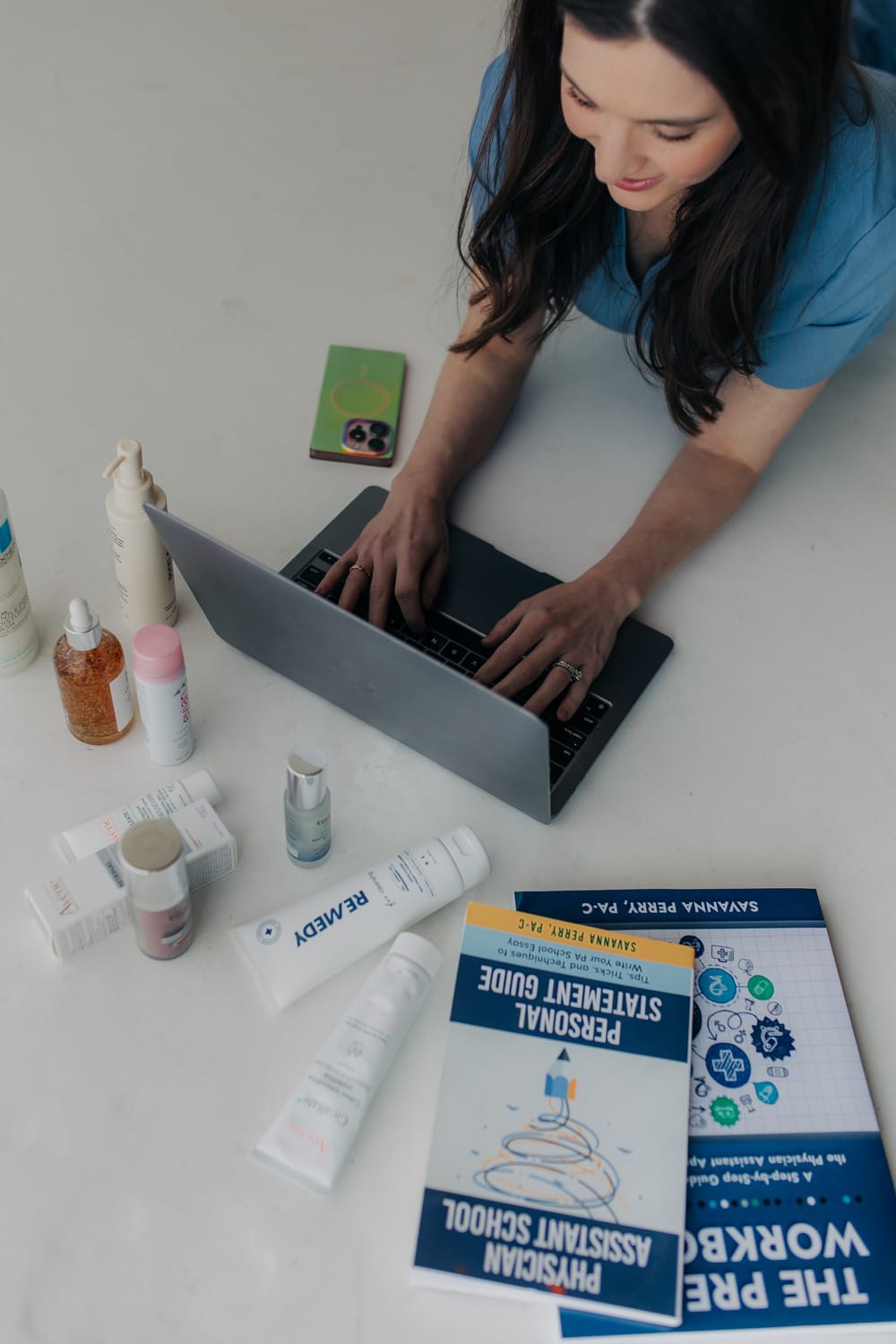
- Keep learning about every step of the process, because knowledge is power. Study your programs, learn new study methods, understand CASPA, get feedback on your personal statement, and pick up an interview prep book.
[QA: spare template section - delete]
[QA: spare template section - delete]
CTA: Free Application Timeline -> https://www.thepaplatform.com/services/free-application-timeline/ [QA: convert to lead-magnet button]
Listen: Career Change to PA School: An Interview with Emily of The Unconventional PA
Thirteen years into a successful sales career, she started over.
Thirteen years into a successful sales career, she started over.
Emily spent thirteen years in medical device sales before becoming a PA student at Wake Forest. She was around medicine constantly in that job, and the thing she kept wanting was the part she wasn't allowed to do: actually take care of the patient.
What I appreciate about how she talks about the decision is that she didn't romanticize it. She researched hard, sat with it, and eventually weighed the risk of regret against the comfort of a stable paycheck. Then she went and retook science courses and built patient care hours from scratch, which at that stage of life is not a small thing.
If you're mid-career and wondering whether it's too late, this is your episode.
What we cover:
Leaving a thirteen-year career for PA school
The moment she realized sales wasn't going to be enough
Retaking science prereqs years after undergrad
Building patient care experience as a career changer
Weighing regret against stability
What she'd tell someone stuck in the deciding phase
Resources
Follow The Pre-PA Club: Apple Podcasts · Spotify · All episodes
[QA: spare template section - delete]
[QA: spare template section - delete]
Need to Know:
Lorem ipsum dolor sit amet
Lorem ipsum dolor sit amet
Lorem ipsum dolor sit amet
FAQ
Lorem ipsum dolor sit amet, consectetur adipisicing elit. Autem dolore, alias, numquam enim ab voluptate id quam harum ducimus cupiditate similique quisquam et deserunt, recusandae.
Lorem ipsum dolor sit amet, consectetur adipisicing elit. Autem dolore, alias, numquam enim ab voluptate id quam harum ducimus cupiditate similique quisquam et deserunt, recusandae.
Lorem ipsum dolor sit amet, consectetur adipisicing elit. Autem dolore, alias, numquam enim ab voluptate id quam harum ducimus cupiditate similique quisquam et deserunt, recusandae.
Lorem ipsum dolor sit amet, consectetur adipisicing elit. Autem dolore, alias, numquam enim ab voluptate id quam harum ducimus cupiditate similique quisquam et deserunt, recusandae.
Lorem ipsum dolor sit amet, consectetur adipisicing elit. Autem dolore, alias, numquam enim ab voluptate id quam harum ducimus cupiditate similique quisquam et deserunt, recusandae.
Lorem ipsum dolor sit amet, consectetur adipisicing elit. Autem dolore, alias, numquam enim ab voluptate id quam harum ducimus cupiditate similique quisquam et deserunt, recusandae.
CTA: Pre-PA Counseling -> https://www.thepaplatform.com/services/pre-pa-counseling/ [QA: convert to service button]
Your Humanities Background Is a Strength
A humanities background is not a disadvantage in PA school admissions, it is a set of strengths waiting to be framed well. Lean into what makes you distinctive, complete those prerequisites with care, and let your writing and communication shine. If you want help shaping your personal statement around your unique story, that is exactly the kind of thing we love to dig into.
You May Also Like:
Link Pillar Page
Link Sibling Post
Link Sibling Post
Link YouTube video or podcast episode
The Pre-PA Newsletter
Real PA admissions updates, new free resources, this week's podcast, and the one thing to focus on this week of the cycle.
Your email address is safe with us .We never share your information with anyone